The gardening world is yours to explore.
Gardening is a joyful and relaxing pastime that links you with nature, regardless of whether you have a large backyard or a small balcony.
The beginner`s guide attempts to provide you with critical information and helpful pointers to get your gardening endeavor off to a successful start.
Let`s examine the vital steps and factors that will help you succeed as you develop your green thumb, from knowing soil composition to choosing the appropriate plants for your area.
1. Assessing Your Space
Assessing
your space for gardening is an important step to ensure successful plant growth
and maximize the use of your available area. Here are some details and tips to
help you assess your space for gardening:
- Calculate Available Space: Measure the
space you`ve set aside for planting. Think of both vertical and horizontal
space. Be mindful of any obstacles that can limit sunlight or hinder plant
growth, such as trees, buildings, or uneven ground.
- Accessibility of Sunlight: Keep track of
how much sunlight your garden area receives throughout the day. While some
shade-loving plants can survive with less sunlight, most plants need at
least six hours of direct sunlight each day.
- Soil Quality: Examine the texture,
drainage, and fertility of your soil to determine its quality. Good soil
tends to be loose, well-draining, and full of organic materials.
- Water Availability: Examine the water
resources in the location where you plan to grow plants. Find out if there
is a water source nearby, like an irrigation system or hose. Make sure
your gardening area is close to a water source.
- Climate Considerations: Be aware of the
weather conditions in your area and the hardiness zone where you live.
- Microclimates: Microclimates are small
geographic regions that have particular climatic characteristics, such as
fluctuations in temperature, wind patterns, or sunlight exposure.
- Evaluating Space Constraints: If you run
into any space issues, you can look into alternate gardening techniques
like container gardening, vertical gardening, or raised beds.
- Consider Your Environment: Consider how
your garden may be impacted by your surroundings. Knowing these conditions
will enable you to make appropriate plans and select plants that can
survive.
- Future Expansion: Make plans in advance to handle future expansion and the setup of more plants or features if you anticipate expanding in the future.
2.
Observing and Learning
Observing your plants is essential for success
in gardening because it`s a never-ending learning process. Keep an eye on how
your plants react to various elements of the environment, including water,
sunlight, and temperature. To keep track of your observations, including
successes, failures, and lessons learned, keep a gardening notebook. To
increase your knowledge and abilities, try exploring new plants and methods.
Join gardening clubs in your area, interact with other gardeners, and look up
internet resources to learn from seasoned lovers.
3.
Understanding Soil
A thriving
garden is built on a foundation of healthy soil. Learn about the various
varieties of soil and their properties, such as if they are clay, sandy, or
loamy. Check your soil`s pH level because it can affect the nutrients that are
available to plants. To obtain accurate information, think about performing a
soil test. By adding organic matter to your soil, such as compost, you can
enhance its structure, drainage, and nutrient content. Mulching soil can also
improve the soil quality. You can mulch soil by adding wood chips, and shreds
of leaves and straw. Mulching helps with soil temperature, reduces water
evaporation, and even prevents soil erosion. Remember to give your plants the
proper amount of water because both overwatering and underwatering can harm
them.
4.
Selecting Plants
It`s crucial to pick the correct plants for
your garden, especially if you`re just starting. Start by doing some study on
plants that will thrive in the particular conditions of your garden space and
local environment. For an experience that is beginner-friendly, look for plants
that are marketed as "easy to grow" or "low maintenance."
Think about things like how much sunlight the plant needs, how much water it
needs, and how big the mature plant will be. To give your garden more diversity
and interest, choose a combination of veggies, herbs, and flowers. Start with
small plants and gradually increase your expansion.
5.
Planning and Layout
Make a basic
garden plan or layout before you start planting. This will make it easier for
you to envision where each plant will go and guarantee adequate spacing. Put
taller plants in the back and lower ones in the front, taking into account the
height and spread of mature plants. Think about companion planting, which
includes pairing up plants that protect one another from pests or enhance
nutrient uptake. For care and harvesting, be sure to design routes and simple
access to your plants. Proper planning and layout help to give an aesthetic
appeal to your garden.
6.
Planting and Maintenance
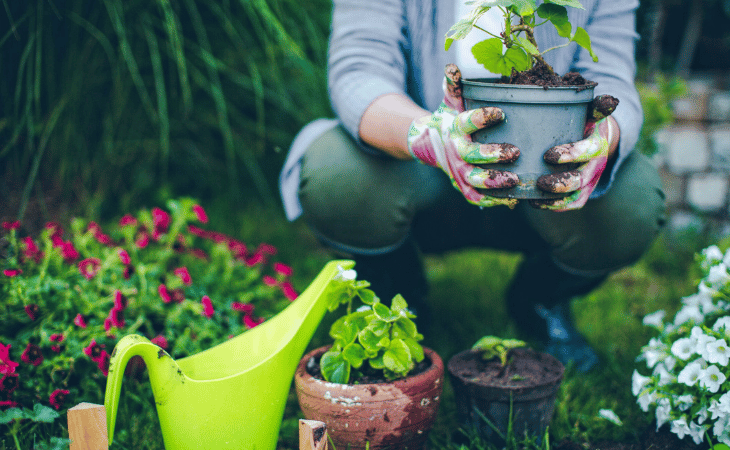
Now it`s time to get your hands dirty! To
plant your chosen plants at the proper depth and spacing, follow the directions
on the seed packs or plant labels. After planting, water them properly, and
then arrange a regular watering schedule depending on their requirements.
Mulching around your plants can aid in moisture retention and weed control.
Keep a regular eye out for pests and diseases in your garden, and take
immediate action if necessary. Climbing plants require proper pruning,
fertilization, and support, all of which are crucial maintenance procedures.
Gardening is a
fulfilling and rewarding endeavor that connects us with nature and promotes
well-being. You have established a solid foundation for taking care of your
plants and creating a lovely garden by following this beginner`s guide. Keep in
mind that each gardening experience is different and that gardening is both an
art and a science. Enjoy the process, accept the difficulties, and savor the
satisfaction of seeing your garden grow over time. You`ll quickly develop into
a knowledgeable gardener if you have some patience, persistence, and a little
green thumb