
It might be intimidating to start your weight-loss journey,
but with the appropriate diet plan, you can reach your objectives sustainably
and healthily.
This diet plan encourages long-term success by emphasizing cutting back on calories whilst making sure you get all the required nutrients
The guide below provides advice on how to improve your diet
and weight-lessening efforts, such as portion management, frequent exercise,
and appropriate hydration.
Keep in mind that losing weight is a
slow process and that long-term success depends on prioritising lasting
lifestyle changes rather than temporary remedies.
Remember to get medical advice
before beginning any new diet or weight-loss programme.
1.
Understanding Caloric Deficit
The
main way to lose weight is to create a calorie deficit, which is done by
ingesting fewer calories than you burn. A pound of body weight equates to
around 3,500 calories. You need to reduce your daily caloric intake by roughly
500 calories to lose one pound every week. This may be accomplished by
increasing physical activity while cutting back on calories. Promoting a
calorie deficit is essential for achieving weight reduction success. Here are
some tips to assist you in creating and keeping a calorie deficit:
● Keep Track of Your Caloric Intake:
To start with, figure out how many calories you typically consume each day.
Maintain track of your meals, snacks, and drinks, use a food diary or a
smartphone app. This will provide insightful information about your eating
patterns and point areas where you may make changes.
● Set realistic calorie targets:
Establish a calorie target that is sustainable and in line with your weight
reduction objectives. It`s normally advised to aim for a weight loss of 1-2
pounds each week, gradually and steadily. Set a daily caloric cap that permits
a manageable deficit without making you feel hungry or unduly constrained.
● Portion Control: Control your
portion sizes to prevent accidentally taking in too many calories. To determine
the proper portion sizes, use measuring cups, a food scale, or visual cues. Pay
close attention to the suggested serving sizes listed on food labels and steer
clear of excess servings.
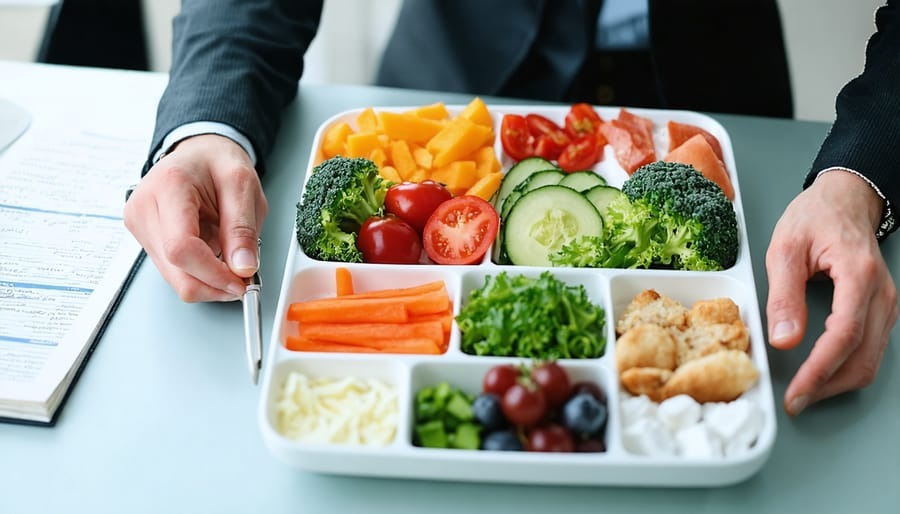
● Emphasize Nutrient-Dense Foods:
Emphasize eating nutrient-dense foods, which have a high nutritional value but
few calories. Choose a diet high in fresh produce, whole grains, lean meats,
and healthy fats. These meals are frequently more full, bringing about
satisfaction while limiting calorie consumption.
● Increase your intake of fibre by
including enough of whole grains, legumes, fruits, and vegetables in your diet.
Foods high in fiber tend to be feeling fuller, which can help reduce overall
calorie consumption and regulate appetite.
●
Be Aware of Liquid Calories: Be mindful of the calories that
come from drinks. Alcohol, sweetened beverages, and even some foods that might
appear harmless, such as flavoured coffee or smoothies, may be high in
calories. Make water, black coffee, or unsweetened tea your go-to beverages.
● Participate in Regular Exercise: In
addition to helping you lose weight, exercise is good for your general health
and well-being. To maximise the burning of calories and promote healthy
metabolism, including both cardio and weight training in your programme.
● Become a Mindful Eater: Enjoy your meals slowly and mindfully. Pay attention to the hunger and fullness signals your body sends, and allow yourself to eat until you`re content rather than stuffing yourself. Avoid being distracted when eating, as doing so might result in thoughtless overeating.
2. Balancing Macronutrients
To
ensure a well-rounded diet, it is essential to balance macronutrients -
carbohydrates, proteins, and fats. Here`s a breakdown of their role and
recommended intake:
●
Carbohydrates: Focus on consuming complex carbohydrates like
whole grains, fruits, and vegetables. These provide sustained energy and fiber.
Aim for 45-55% of your daily calories from carbohydrates.
●
Proteins: Include lean protein sources such as chicken,
turkey, fish, tofu, legumes, and low-fat dairy products. Protein helps build
and repair tissues and keeps you feeling full. Consume about 15-25% of your
daily calories from protein.
● Fats: Choose healthy fats from sources like avocados, nuts, seeds, and olive oil. Limit saturated and trans fats. Aim for 20-30% of your daily calories from fats.
3. Creating a 2000-Calorie Diet Plan
Here`s a simple 2000-calorie diet plan for weight loss.
Adjust portion sizes based on your individual needs and goals:
●
Breakfast: Start with a nutritious meal to kickstart your
day. Options include oatmeal with berries and a tablespoon of almond butter, or
a vegetable omelet with whole-grain toast.
●
Mid-Morning Snack: Choose a protein-rich snack to keep you
satisfied until lunch. Greek yogurt with a handful of mixed nuts or a boiled
egg with carrot sticks are excellent choices.
●
Lunch: Focus on a balanced plate with a combination of lean
protein, whole grains, and vegetables—for instance, grilled chicken breast with
quinoa and a side salad.
●
Afternoon Snack: opt for a light and energizing snack. A
piece of fruit with a small handful of almonds or a vegetable crudité with
hummus are great options.
●
Dinner: Make dinner satisfying and flavorful. Consider
options such as baked salmon with roasted vegetables and brown rice or grilled
tofu stir-fry with quinoa.
● Evening Snack: Choose a light and low-calorie snack to curb late-night cravings. Examples include a small portion of Greek yogurt with berries or a sliced apple with a tablespoon of peanut butter.
4. Hydration
Proper
hydration supports weight loss by curbing appetite, boosting metabolism, aiding
digestion, enhancing exercise performance, increasing fat oxidation, and
promoting overall health. Drinking water before meals helps create a feeling of
fullness, reducing calorie intake. Adequate hydration maintains optimal body
function, leading to a higher resting metabolic rate and improved nutrient
absorption. It also enhances exercise performance, preventing dehydration-related
performance declines. Hydration supports fat breakdown and utilization,
contributing to effective weight loss. Aim to drink at least eight glasses of
water per day, though individual needs may vary. Prioritizing hydration helps
control calorie intake, optimize metabolism, and maintain overall well-being on
your weight loss journey.
Losing
weight is a gradual and personal process. Always remember to tailor the plan to
your requirements, tastes, and any underlying health issues by speaking with a
medical practitioner or a qualified dietitian.
The key is to embrace long-term lifestyle changes rather than quick fixes. By incorporating nutrient-dense foods, practicing portion control, and being mindful of your eating habits, you can create a calorie deficit while still nourishing your body with essential nutrients. Regular physical activity helps boost calorie burn and supports overall health and well-being.
Remember, everyone`s weight loss journey is unique, so it`s important to personalize the plan based on your specific needs and consult with a healthcare professional or registered dietitian. With patience, consistency, and a positive mindset, you can achieve your weight loss goals and embark on a healthier and happier lifestyle. Embrace the easy path to weight loss, and enjoy the rewards of a healthier you.