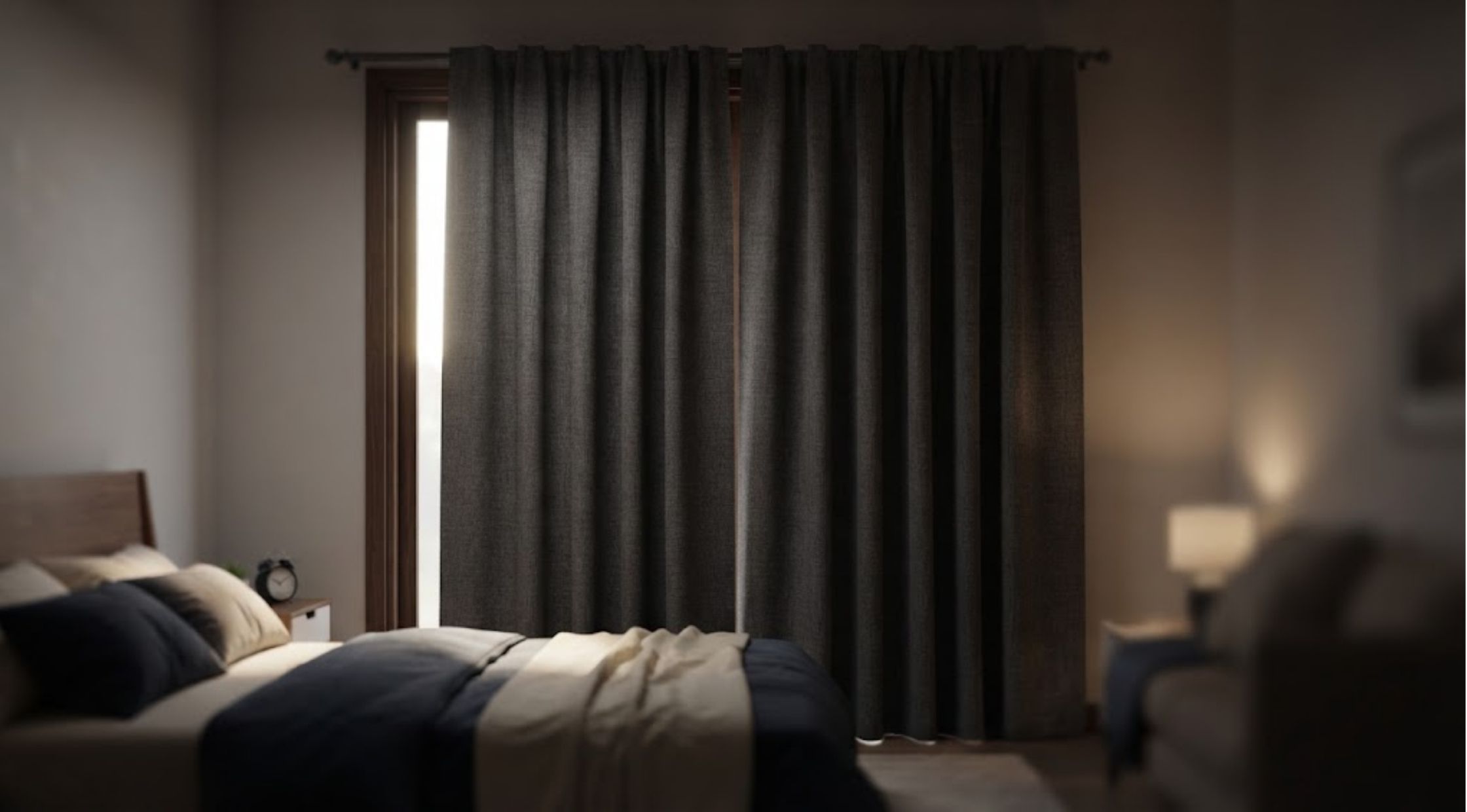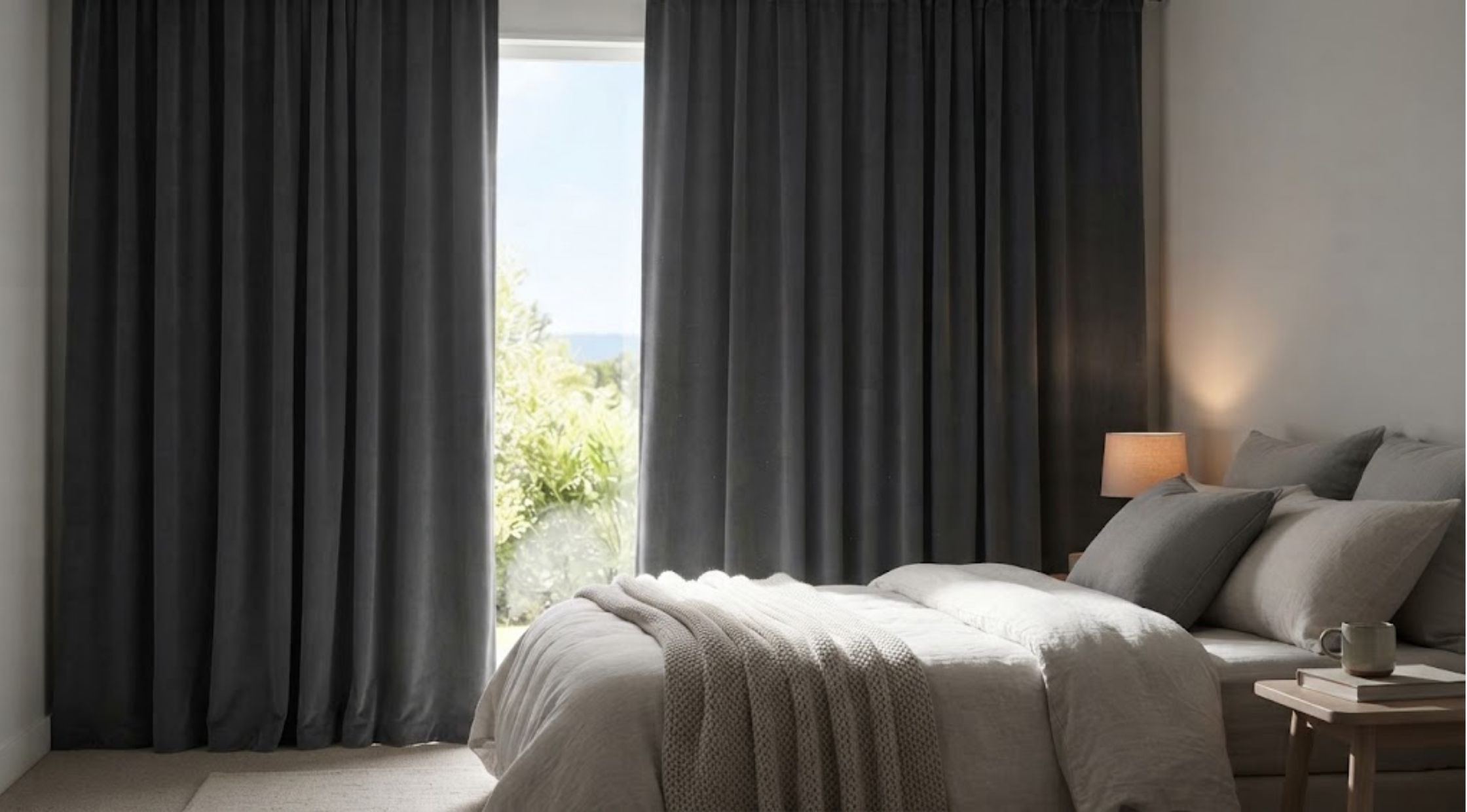

In a world filled with constant
distractions and overwhelming clutter, creating a calm and clutter-free
environment within your home has become increasingly appealing. Minimalist home
decor offers a solution by embracing simplicity and focusing on essentials. Adopting
a minimalist approach to your home decor allows you to transform your space
into a serene sanctuary that promotes relaxation and mindfulness. This blog
post will explore the key principles and practical tips for achieving
minimalist home decor and creating a peaceful atmosphere.
1. Decluttering:
The first step to achieving minimalist home
decor is to declutter your space. Start by going through each room and removing
unnecessary items that no longer bring you joy. Embrace the philosophy of
minimalism, which encourages owning fewer possessions and keeping only what is
essential. Remember, decluttering doesn`t mean getting rid of everything but
rather curating your belongings to include only those that hold value or have a
purpose.
2. Simplify Your Color Palette:
When it comes to minimalist home decor,
simplicity should also extend to your color palette. Opt for a neutral color
scheme of whites, creams, grays, or earthy tones. These colors create a clean
and calming atmosphere, allowing other elements of your space to stand out
without overwhelming the senses. A monochromatic palette can also add depth and
elegance to your home.
3. Streamlined Furniture:
Choose furniture pieces that are
functional, practical, and visually appealing. Avoid excessive ornamentation or
overly intricate designs. Opt for clean lines, sleek silhouettes, and minimal
embellishments. Investing in multi-purpose furniture, such as storage ottomans
or coffee tables with built-in shelves, can help maximize your space while
maintaining the minimalist aesthetic.
4. Focus on Essential Decor:
When it comes to decorating your minimalist
home, less is more. Select a few carefully chosen decorative items that hold
personal meaning or evoke a sense of calm. Incorporate natural elements like
potted plants, stones, or wooden accents to bring a touch of nature indoors.
Consider the principles of minimalism—functionality, simplicity, and
purpose—when choosing the decor, and avoid excessive cluttering or busy
patterns.
5. Organizational Systems:
Creating a clutter-free environment is
easier when you have efficient organizational systems. Utilize storage
solutions that hide away items that are not in use, such as cabinets, drawers,
and storage baskets. Invest in practical storage furniture, such as minimalist
shelving units or floating shelves, to keep your belongings organized and
visually appealing.
6. Maximize Natural Light:
Light plays a vital role in minimalist home
decor, enhancing the sense of openness and tranquility. Maximize natural light
by keeping windows clear of heavy curtains or blinds. Opt for sheer or
light-colored window treatments that allow ample sunlight to fill your space.
Mirrors can also be strategically placed to reflect light and create an
illusion of a larger, brighter room.
7. Embrace Negative Space:
Negative or empty space is a fundamental
aspect of minimalist design. Allow your space to breathe by intentionally
leaving areas free of furniture or decor. This enhances the aesthetic appeal
and contributes to a calming and clutter-free atmosphere.
Minimalist home decor offers a path to
creating a calm and clutter-free environment within your home. By adopting a
minimalist approach, you can transform your space into a sanctuary that
promotes relaxation, mindfulness, and a sense of well-being. Remember,
minimalism is not about sacrificing comfort or style but embracing simplicity
and focusing on what truly matters. With the principles and tips outlined in
this blog post, you can embark on your minimalist journey and create a serene
haven to find peace and rejuvenation.