Introduction: Make Every Outdoor Adventure Comfortable
Have you ever struggled with a heavy backpack, uncomfortable sleeping arrangements, or unsuitable hiking equipment during an outdoor adventure? These challenges can turn an exciting trip into an exhausting experience. Fortunately, the right Camping Gear makes every journey safer, easier, and more enjoyable. Brands like Naturehike offer practical outdoor solutions for campers and hikers who prioritize comfort and performance. However, choosing suitable equipment requires more than selecting attractive products. You must consider your destination, weather conditions, activity level, and budget. By evaluating these factors, you can avoid unnecessary expenses and prepare confidently for your next adventure.
Common Problems When Choosing Camping Gear
Many outdoor enthusiasts purchase equipment without considering their actual needs. Consequently, they often discover problems only after reaching the campsite or hiking trail.
1. Carrying Too Much Weight
Heavy backpacks quickly cause fatigue, especially during long hikes. Bulky sleeping bags, oversized tents, and unnecessary accessories increase your overall load.
2. Choosing Equipment for the Wrong Conditions
Some campers purchase lightweight equipment without checking its weather resistance. Meanwhile, others carry heavy gear on short trips that require minimal supplies.
3. Sacrificing Comfort for Lower Prices
Budget equipment may initially attract buyers with its lower price. However, uncomfortable sleeping pads, poorly fitted backpacks, and unsuitable tents can reduce your overall enjoyment.
4. Overlooking Durability and Safety
Low-quality materials often wear out quickly under demanding conditions. Therefore, examine construction quality, reliable fastenings, and weather protection before purchasing outdoor equipment.
Why Does Outdoor Equipment Selection Matter?
Your equipment directly influences comfort, safety, and performance outdoors. For example, unsuitable footwear can cause blisters, while an unstable tent can create problems during strong winds. Additionally, poor equipment choices can increase your long-term expenses. When you repeatedly replace damaged products, you may spend more than you would on dependable alternatives. Your adventure style also determines your equipment requirements. Weekend campers need different supplies than mountaineers or long-distance backpackers. By understanding these differences, you can select practical Camping Gear without wasting money.
How to Choose the Right Camping Gear
A thoughtful purchasing process helps you identify equipment that matches your outdoor plans. Follow these steps to make informed decisions and avoid unnecessary purchases.
1. Consider Your Destination and Weather
First, research the terrain, temperatures, and expected weather conditions. Then, choose equipment that meets those environmental demands. For example, summer camping requires breathable materials and adequate ventilation. Conversely, colder destinations demand insulated sleeping systems and stronger weather protection.
Before purchasing equipment, evaluate these essential factors:
-
Climate: Choose materials and insulation that suit expected temperatures.
-
Terrain: Select stable equipment for rocky, sandy, or uneven ground.
-
Trip duration: Pack supplies according to your adventure's length.
-
Group size: Choose tents and cooking equipment that accommodate everyone comfortably.
2. Select Suitable Hiking Equipment
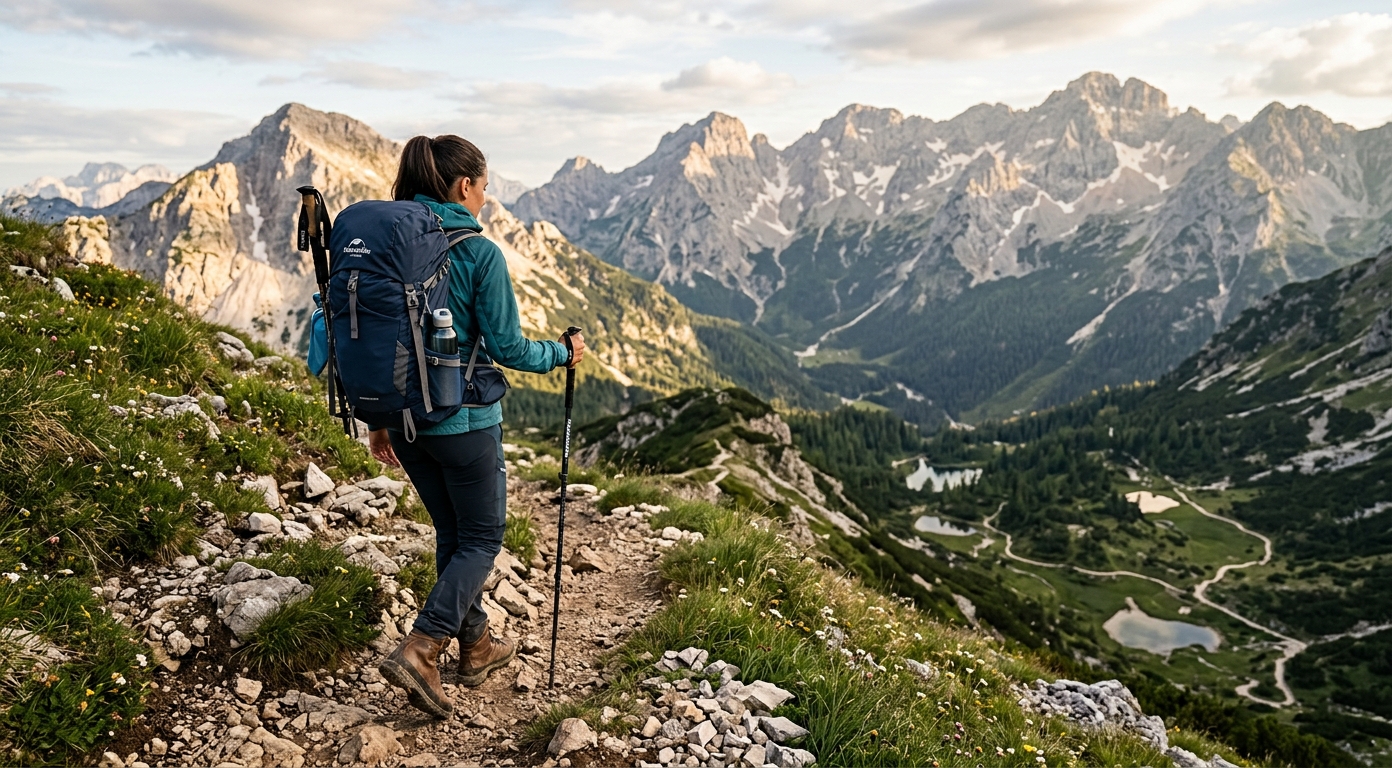
Reliable Hiking Equipment supports better movement and reduces unnecessary physical strain. Start with comfortable footwear, a supportive backpack, and appropriate clothing. Additionally, carry navigation tools, sufficient water, and a basic first-aid kit. These essentials help you manage common challenges during outdoor activities.
Consider these important items when preparing for your next adventure:
-
Hiking boots or trail shoes: Match traction and support to your terrain.
-
Backpack: Choose suitable capacity, adjustable straps, and comfortable padding.
-
Trekking poles: Use them to improve balance on steep or uneven trails.
-
Weatherproof clothing: Prepare for changing temperatures and unexpected rain.
Before attempting demanding trails, test your footwear and backpack. This simple step helps you identify uncomfortable pressure points and fitting problems early.
3. Explore Ultralight Camping Tents
Traditional tents provide dependable shelter, but their weight can challenge backpackers. Ultralight Camping Tents offer a practical alternative for travelers who prioritize portability. However, never make weight your only consideration. Examine waterproofing, ventilation, interior space, and wind resistance before choosing a model.
Compare these important features carefully:
-
Weight: Check the complete packed weight, including poles and accessories.
-
Capacity: Allow enough room for occupants and essential belongings.
-
Weather protection: Review waterproof ratings, seams, and rainfly coverage.
-
Setup: Choose a design you can pitch confidently in changing conditions.
Remember that ultralight designs may sacrifice some durability or interior space. Therefore, match each tent's specifications to your destination and experience level.
A Smarter Approach to Premium Outdoor Equipment
Once you understand your requirements, consider whether premium equipment offers meaningful advantages. Higher-quality products may provide lighter materials, improved construction, thoughtful designs, and better portability. For example, Naturehike offers outdoor shelters and lightweight camping solutions for different activities and equipment preferences. Its product range provides options worth comparing when you evaluate your next purchase. Nevertheless, do not assume every premium item suits your needs. Instead, compare individual specifications, warranty coverage, customer feedback, and replacement-part availability before deciding.
Benefits of Upgrading Your Camping Gear
Upgrading selected items can improve your outdoor experience without requiring an entirely new collection. Therefore, focus on equipment that solves your biggest problems first.
Enjoy Greater Comfort
Supportive backpacks, suitable sleeping pads, and well-designed tents make overnight trips more relaxing. As a result, you can feel better prepared for the following day's activities.
Reduce Carrying Weight
Lightweight equipment helps backpackers manage demanding routes more comfortably. Furthermore, compact designs leave additional space for essential supplies.
Improve Reliability
Well-constructed equipment can withstand regular use when you maintain it properly. To extend product life, follow cleaning, storage, and inspection instructions.
Simplify Trip Preparation
Versatile equipment reduces packing confusion and unnecessary purchases. For example, one suitable shelter can support multiple adventures when its specifications match the conditions. Before upgrading, identify your most frequent frustrations. Then, prioritize products that offer measurable improvements instead of purchasing every new accessory.
How to Maintain Your Outdoor Equipment
Even excellent Camping Gear requires proper care. Regular maintenance protects your investment and helps you prepare for future trips.
Follow these simple habits after every adventure:
-
Clean thoroughly: Remove dirt, sand, and moisture before storing your equipment.
-
Dry completely: Prevent mildew by thoroughly drying tents and sleeping equipment.
-
Inspect regularly: Check seams, zippers, straps, poles, and fastenings for damage.
-
Store carefully: Keep equipment in suitable, dry conditions.
-
Repair promptly: Fix minor damage before it develops into a larger problem.
Additionally, practice setting up new tents at home before traveling. This preparation helps you identify missing components and master the setup process.
Conclusion: Choose Equipment That Supports Your Adventures
The right outdoor equipment transforms challenging trips into more comfortable and rewarding experiences. Start by evaluating your destination, weather conditions, fitness level, and essential requirements. Then, compare suitable Camping Gear, dependable Hiking Equipment, and Ultralight Camping Tents based on their practical benefits. You do not need to purchase everything at once. Instead, upgrade the items that cause the greatest discomfort or inconvenience during your adventures. When exploring lightweight shelters and practical outdoor solutions, compare Naturehike products with other suitable alternatives. Review specifications, durability, and customer feedback before making your final choice. Ultimately, smart preparation matters more than owning the most expensive equipment. Choose thoughtfully, maintain your supplies, and enjoy greater confidence on every outdoor adventure.