Introduction: Prepare for Every Outdoor Challenge
Have you ever started an outdoor adventure only to discover that your shoes lack grip or your backpack feels uncomfortable? The wrong equipment can turn an exciting trail into an exhausting experience. Fortunately, suitable gear can improve comfort, confidence, and performance across different terrains. For example, brands like Kailas offer outdoor equipment designed for demanding adventures and changing conditions. However, you need more than attractive designs or expensive features to choose the right products. Instead, select equipment that matches your activity, experience, and environment. Whether you enjoy running mountain trails, exploring remote hiking routes, or climbing challenging rock faces, understanding your needs helps you spend wisely.
Common Problems Outdoor Enthusiasts Face
Different outdoor activities place different demands on your body and equipment. Unfortunately, many adventurers overlook these differences when purchasing essential gear.
Common problems include:
- Poor traction: Unsuitable footwear may struggle on muddy, rocky, or slippery surfaces.
- Uncomfortable equipment: Poorly fitted shoes, backpacks, and harnesses can distract you during activities.
- Unexpected weather: Rain, wind, and temperature changes can affect your comfort and safety.
- Unnecessary spending: Purchasing products without understanding their features can waste money.
- Limited durability: Low-quality materials may wear out quickly under demanding outdoor conditions.
These problems often arise when shoppers prioritize appearance or price over practical performance. Therefore, understand where and how you plan to use your equipment before purchasing anything.
Why Choosing the Right Outdoor Gear Matters
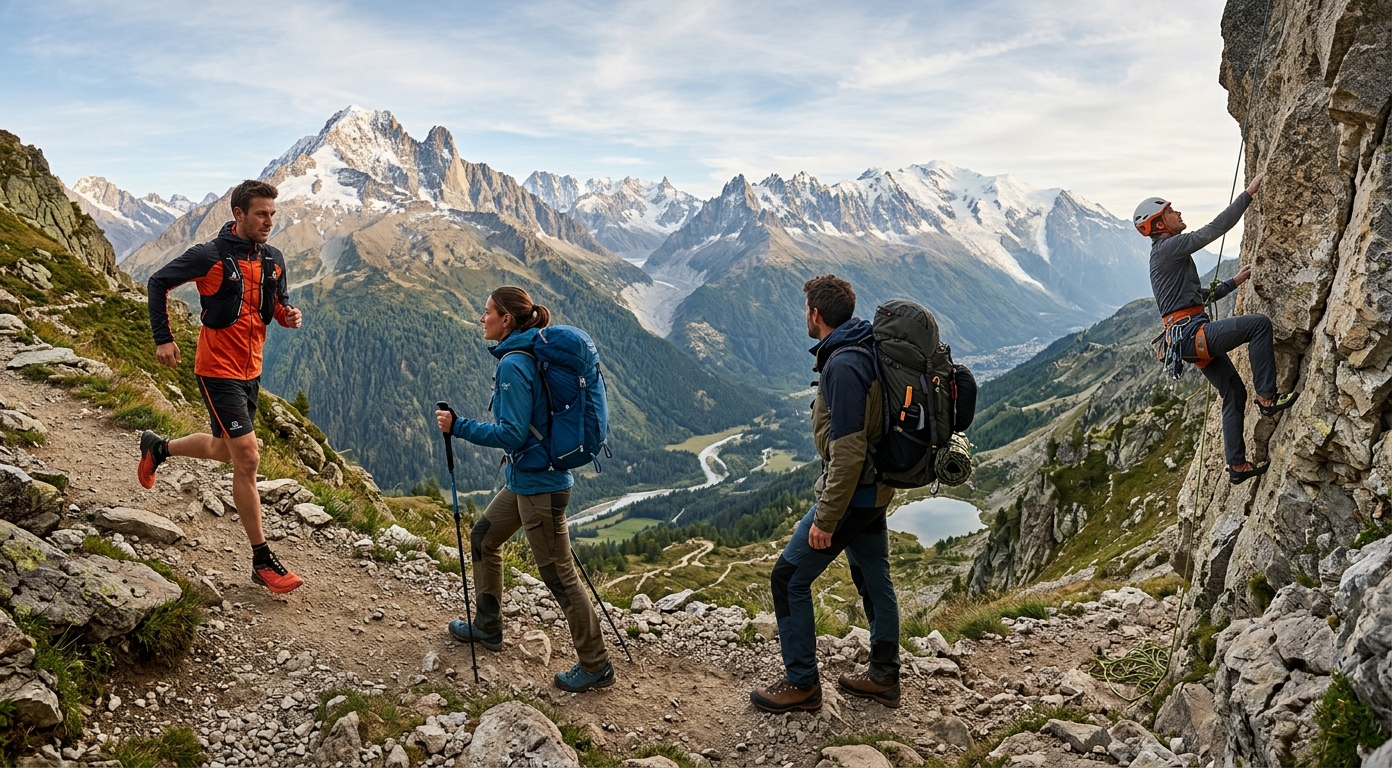
Every outdoor activity requires specific equipment features. Gear designed for one environment may perform poorly in another, even when its appearance seems suitable. For instance, Trail Running Shoes typically prioritize traction, lightweight construction, and a secure fit. Hiking footwear often emphasizes stability, protection, and comfort over longer distances. Meanwhile, Rock Climbing Equipment must meet activity-specific safety requirements and suit your chosen climbing discipline. Understanding these differences helps you avoid unsuitable purchases. Additionally, you can prioritize essential features instead of spending money on unnecessary extras.
How to Choose Trail Running Shoes
Trail running exposes you to uneven ground, loose gravel, steep climbs, and unpredictable obstacles. Therefore, choose footwear that provides reliable traction, a comfortable fit, and appropriate protection.
Features Worth Comparing
When shopping for Trail Running Shoes, consider these essential factors:
- Outsole grip: Choose tread patterns that suit your usual terrain.
- Cushioning: Select cushioning that balances comfort, stability, and ground feel.
- Fit: Allow enough room for your toes while keeping your heel secure.
- Protection: Look for reinforced toe areas and underfoot protection on rocky trails.
- Breathability: Choose materials that suit your climate and running intensity.
Your preferred terrain should guide your final decision. For example, soft, muddy routes often require aggressive lugs, while dry, hard-packed trails may suit less aggressive outsoles. Whenever possible, try shoes with your usual running socks. Then, walk and jog in them to evaluate their comfort and fit before purchasing.
Choosing Hiking and Trekking Gear for Longer Adventures
Long hikes demand equipment that remains comfortable and functional throughout your journey. Even minor equipment problems can become frustrating after hours outdoors.
Build a Practical Hiking Kit
Your Hiking and Trekking Gear should match your route, weather forecast, trip duration, and available support.
Start with these essentials:
- Backpack: Choose suitable capacity and an adjustable harness that distributes weight comfortably.
- Layered clothing: Combine moisture-managing base layers with insulation and weather protection.
- Navigation tools: Carry a map, compass, or suitable navigation device.
- Hydration supplies: Bring enough water and a practical way to replenish it.
- First-aid supplies: Pack essential items for minor injuries and emergencies.
- Lighting: Carry a headlamp or flashlight, especially when delays could extend your trip.
Your footwear also deserves careful consideration. Some hikers prefer lightweight trail shoes, while others benefit from hiking boots that provide additional structure and protection. However, avoid packing every available accessory. Instead, balance essential supplies against weight, weather conditions, and route difficulty.
Selecting Rock Climbing Equipment Safely
Climbing requires specialized equipment because equipment failure can cause serious injuries. Unlike ordinary outdoor accessories, climbing safety equipment must meet relevant standards and suit its intended application.
Before purchasing Rock Climbing Equipment, evaluate these essential items:
- Harnesses: Choose the correct size and a suitable design for your climbing discipline.
- Climbing shoes: Select a secure fit that supports your preferred climbing style.
- Ropes and carabiners: Verify compatibility, intended use, and applicable safety ratings.
- Helmets: Choose a suitable climbing helmet and follow the manufacturer's inspection guidance.
- Belay devices: Confirm compatibility with your rope diameter and learn correct operating techniques.
Always purchase critical safety equipment from reputable sellers. Furthermore, inspect every item before use, follow manufacturer instructions, and retire damaged or compromised equipment according to applicable guidance. Beginners should learn essential techniques from a qualified climbing instructor. Remember, no premium product can replace proper training, careful inspection, or sound safety practices.
Finding a Premium Outdoor Gear Solution
Once you understand your requirements, you can compare specialized outdoor brands more effectively. Premium products may offer thoughtful designs, activity-specific features, and construction intended for demanding conditions. Kailas is one brand you can research when comparing equipment for trail running, hiking, and climbing. However, do not rely on brand recognition alone. Instead, examine each product's specifications, intended use, materials, and care instructions.
Before buying, ask yourself these questions:
- Does this product suit my activity and experience level?
- Will it perform well in my usual environment?
- Does its construction justify the price?
- Can I maintain and inspect it properly?
- Does it meet relevant requirements for its intended use?
These questions help you distinguish useful upgrades from unnecessary expenses. Moreover, they encourage a thoughtful approach to building your outdoor kit.
Benefits of Investing in Quality Equipment
Well-chosen equipment can make outdoor activities more comfortable, practical, and enjoyable. Although results vary by product and user, several potential advantages deserve consideration.
- Improved comfort: Suitable footwear and properly fitted packs can reduce unnecessary discomfort.
- Better performance: Activity-specific features can help you navigate appropriate terrain with greater confidence.
- Greater reliability: Durable construction may withstand repeated use when you maintain equipment properly.
- More efficient packing: Purposeful equipment choices can reduce unnecessary weight and clutter.
- Better preparation: Reliable gear, combined with training and planning, can help you manage outdoor challenges.
Nevertheless, premium equipment does not automatically outperform every budget alternative. Therefore, compare measurable features, fit, relevant safety certifications, and warranty coverage before spending more.
Conclusion: Make Every Outdoor Purchase Count
Choosing the right outdoor equipment starts with understanding your activity, terrain, and personal requirements. Select Trail Running Shoes that provide suitable traction and fit. Additionally, choose practical Hiking and Trekking Gear for changing conditions and prioritize standards-compliant Rock Climbing Equipment for safety-critical activities. Take time to compare specifications, test the fit whenever possible, and build your collection around genuine needs. Furthermore, exploring Kailas alongside other reputable outdoor brands can help you identify products worth considering. Ultimately, smart equipment choices involve more than purchasing premium products. They help you prepare responsibly, enjoy your adventures, and get better value from every outdoor experience.