
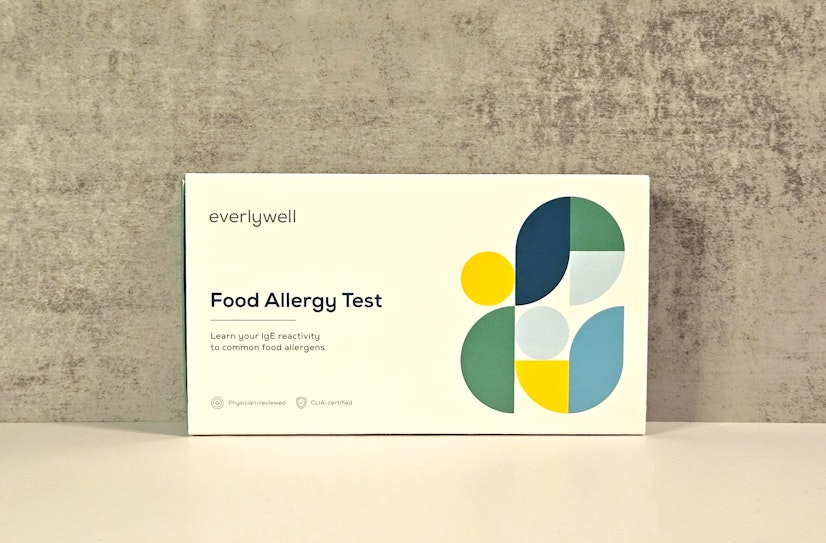
Food sensitivities can be frustrating. Bloating, fatigue, migraines, or unexplained digestive issues may seem random, but they could all be tied to the foods you eat daily. Traditional approaches like elimination diets can be time-consuming and stressful. Fortunately, modern solutions like at-home food sensitivity testing offer a faster, more accurate way to understand how your body reacts to different foods.
This guide walks through the step-by-step process of testing for food sensitivities at home, exploring different types of tests, including standard, comprehensive, and specialized options offered by Everlywell.
Step 1: Understand the Types of Food Sensitivity Tests
Not all tests are the same, and knowing which test suits your needs is essential. Everlywell, a trusted leader in at-home lab testing, offers several options:
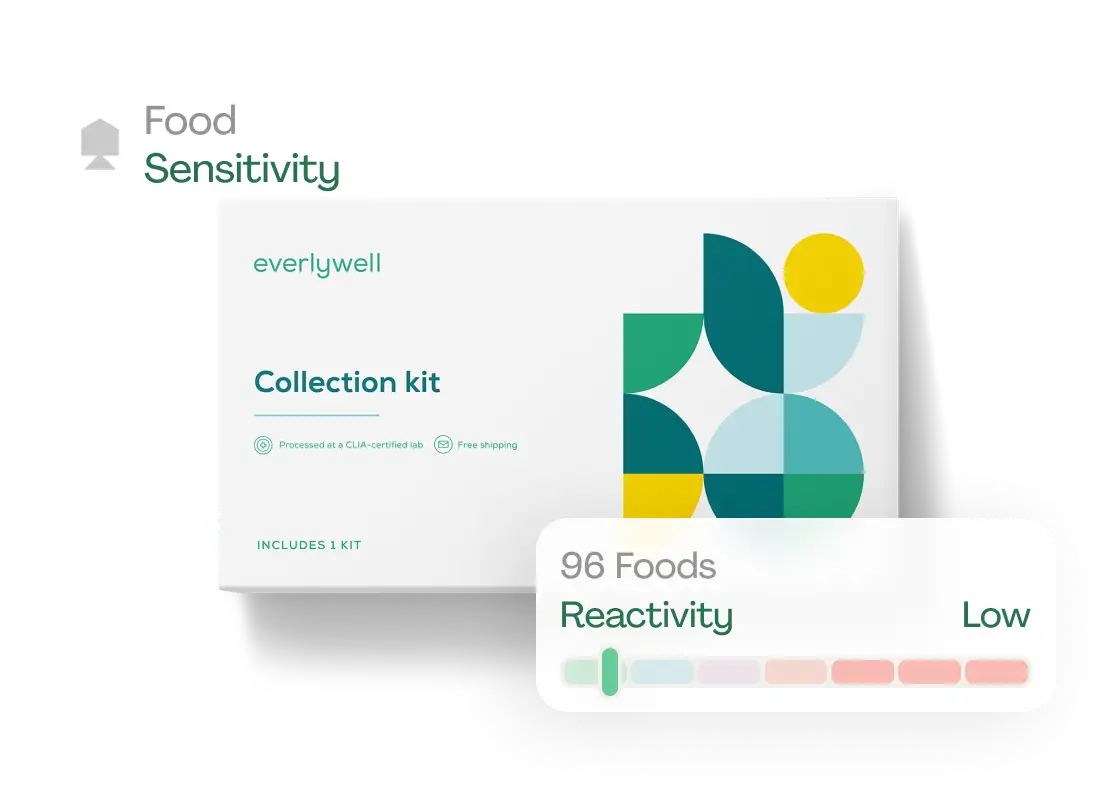
- Food Sensitivity Test – Ideal for beginners who want to identify common food triggers. This test screens for up to 96 foods and provides clear, easy-to-read results. It’s a great starting point for anyone experiencing mild digestive or skin reactions.
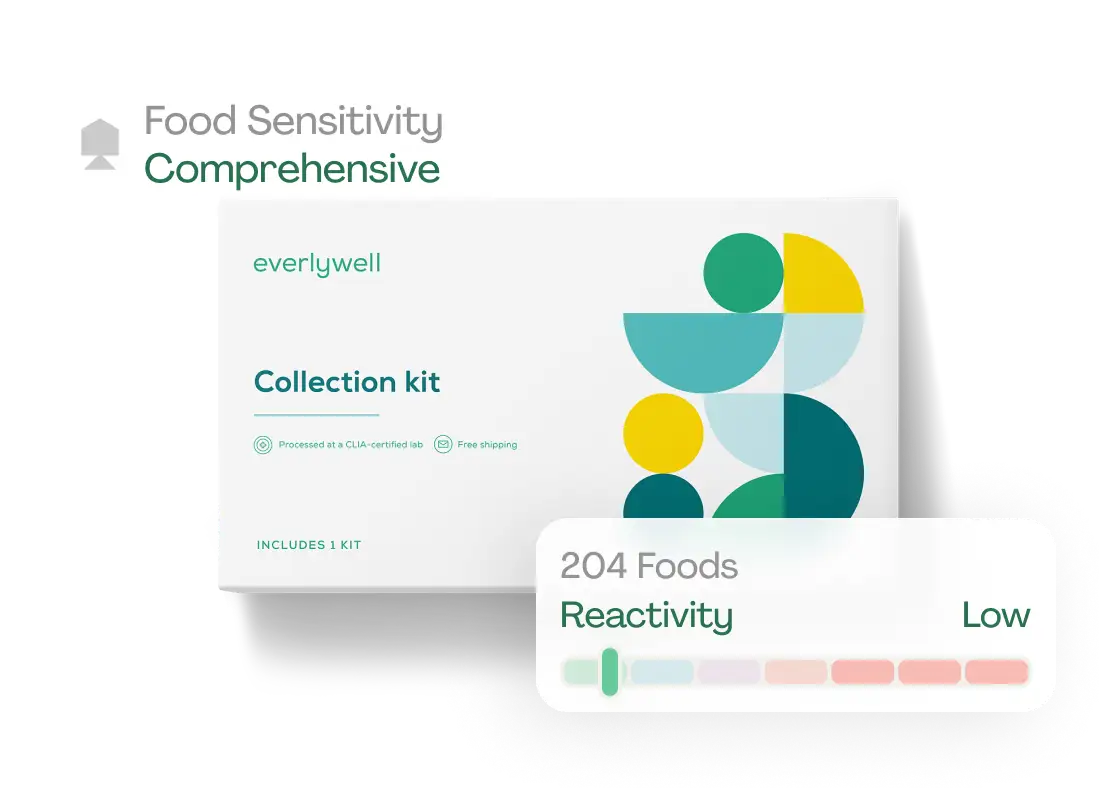
- Food Sensitivity Comprehensive Test – For those looking for deeper insights, this expanded test screens over 200 foods. It’s perfect for individuals with persistent symptoms, multiple suspected triggers, or those seeking a detailed guide to adjust their diet effectively.
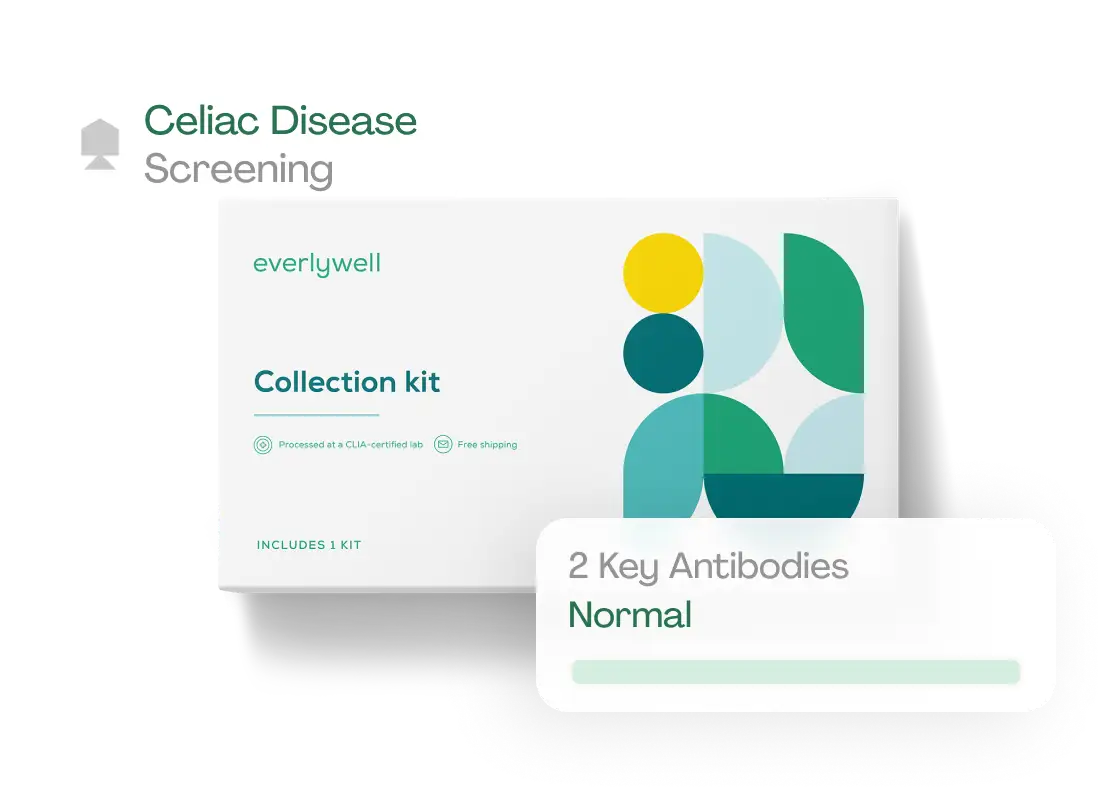
- Celiac Disease Screening Test – Celiac disease is a specific autoimmune condition triggered by gluten. Symptoms often overlap with general food sensitivities, such as bloating or fatigue. This specialized test identifies celiac disease markers, helping users distinguish between gluten sensitivity and celiac disease.
Step 2: Ordering Your At-Home Test
Ordering an Everlywell test is simple and convenient:
- Choose the right test based on your symptoms and desired insights.
- Order online through Everlywell’s secure platform or via affiliate links like this one: Everlywell Food Sensitivity Tests.
- Receive your kit at home, usually within a few days. The kits are discreet, packaged for privacy, and include all necessary materials.
At this stage, users appreciate the simplicity of home testing. There’s no need to schedule doctor appointments or spend hours at clinics.
Step 3: Sample Collection
Everlywell tests are designed for easy self-collection:
- Most food sensitivity tests use a small blood sample, usually via a finger prick.
- Instructions are clear and include visual guides.
- The kits also provide prepaid shipping materials, so you can send your sample back to the lab with minimal hassle.
The process is quick, painless, and suitable even for first-time users.
Step 4: Lab Analysis
Once the lab receives your sample:
- The blood is analyzed for immune reactions (IgG antibodies) to specific foods.
- The Celiac Disease test checks for gluten-related autoimmune markers.
- The process is fully HIPAA-compliant, ensuring privacy and security of your results.
Most users receive results within 5–7 business days, making it one of the fastest ways to gain actionable insights into your dietary health.
Step 5: Understanding Your Results
Everlywell delivers results in a comprehensive, easy-to-understand format:
- Color-coded charts highlight which foods triggered reactions.
- The Comprehensive test shows severity levels, helping users prioritize changes.
- Results include dietary tips and next steps, so you can begin adjusting your eating habits immediately.
For those testing for celiac disease, the report clearly indicates whether gluten is likely causing symptoms, helping users seek medical confirmation if needed.
Step 6: Taking Action
After receiving results, actionable steps include:
- Elimination or rotation diets: Remove or limit foods that triggered reactions.
- Consult healthcare providers for persistent or severe symptoms.
- Track symptoms over time to see improvements and identify hidden triggers.
By combining the Food Sensitivity Test for beginners, the Comprehensive Test for deeper insight, and the Celiac Disease Screening for specialized needs, users can create a full picture of their dietary health.
Why Choose Everlywell At-Home Testing
- Convenience – Complete testing at home, no appointments needed.
- Accuracy – FDA-registered labs ensure reliable results.
- Comprehensive options – Standard, comprehensive, and specialized testing in one platform.
- Trusted provider – Positive Everlywell reviews highlight user satisfaction, easy-to-follow instructions, and actionable reports.
For anyone curious about unexplained symptoms or wanting a data-driven approach to nutrition, Everlywell’s home food sensitivity kits are among the best food sensitivity kits on the market.
FAQs About At-Home Food Sensitivity Testing
Q: Are at-home food sensitivity tests accurate?
A: Yes. Everlywell uses certified labs and clinically validated methods to ensure precise results.
Q: How soon can I start seeing improvements?
A: Many users notice changes in energy, digestion, and skin health within a few weeks of adjusting their diet based on results.
Q: Can these tests replace a doctor’s diagnosis?
A: While highly informative, tests like the celiac screening should be confirmed by a healthcare professional if positive.
Testing for food sensitivities doesn’t have to be complicated. By using Everlywell’s Food Sensitivity Test, Comprehensive Test, and Celiac Disease Screening, users can uncover hidden food triggers and make informed dietary choices, all from the comfort of home.
Take control of your health today and discover how your body reacts to food with the convenience of at-home testing