
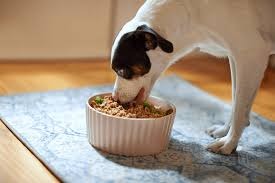
It was so easy to feed a dog. You picked one of the bags on a shelf, filled the bowl, and hoped it was good. Gradually, the problems that could not be overlooked began to manifest themselves in many dog owners. Delicate stomachs, itching all the time, loss of energy, dull coats, and loss of weight with no known cause became the order of the day. The number of vet visits rose, the food labels were baffling, and frustration grew. This has made most individuals pay more attention to the contents of their dog's bowl. The result is an increasing interest in fresh, real dog food made with recognizable ingredients. Not frozen bricks, not the highly processed pellets, and not foodstuffs with fillers. Only basic food consisting of actual meat, vegetables, and grains, which dogs are supposed to consume. Real food is not a trend.
1. The shortcomings of Traditional Dog Food
Most of the traditional dog food is highly processed. Both heat and pressure destroy the natural nutrients present, and this is, in turn, substituted by artificial vitamins. The lengthy ingredient lists often include vague terms such as meat meal, animal by-products, and artificial flavors. It is how these foods are designed to spend months or even years on shelves. To do that, preservatives are incorporated. Although this is effective in storage, it may not be effective for a dog's digestive system. Most dogs can digest such foods, yet it does not mean they will thrive. Symptoms of something wrong sometimes take time to manifest. Passive stools, gas emissions, skin itchiness, ear diseases, and finicky eating habits are all common indicators that the food is not right.
2. The Real, Fresh Dog Food and the Real Boy Dog Food
Raw, natural dog food emphasizes whole products that are lightly cooked to maintain their natural nutrients. You will find bits of meat, vegetables, and grains, as compared to a brown paste of uniformity. The food turns out more like something you could make at home. They are also frequently prepared using single-source animal protein, i.e., a single type of meat in a single recipe. It is particularly useful in cases of allergic or food-sensitive dogs, as the likelihood of a reaction is reduced. Another important characterization is the ability to be frozen on shelves. The food is prepared safely, packaged, and can be stored without dry ice or freezing, making it easier to use at home or in transit.
3. Role of Single-Source Protein
The basis of a dog's diet is protein, though not every protein is equal. Having a single source of animal protein can help dog owners know what their dog is eating. In dogs with itchy skin or digestive problems, it can be difficult to determine the cause when eating a mixed-protein diet. Single-source meals eliminate that conjecture. When a dog performs well when offered lamb, turkey, or beef alone, it becomes difficult to deviate from that response. This clear-cut measure can tend to make digestion more effective, skin less problematic, and energy levels more regular.
4. Eating your way to a Healthy Gut
The healthy gut influences nearly every part of a dog's body. Gut health is associated with digestion, immunity, mood, and even skin quality. The reason fresh food is even easier to digest is that it has not been degraded or reconstituted into processed food. Vegetable and grain natural fibers facilitate the growth of good bacteria, making stool more regular and firmer. Sensitive dogs will start improving in a few weeks once the fresh meals are introduced. The most typical changes reported by owners include less bloating, fewer accidents, and more comfortable digestion.
5. Assistance with Allergies and Skin Problems
Skin issues are among the most common reasons dog owners are searching for new food. Perpetual scratch, redness, and loss of hair may not only be miserable to dogs but also concerning to their owners. Fillers, artificial additives, or low-quality protein sources are usually associated with food-related allergies. Natural foods eliminate many of these triggers. Fruits such as sweet potatoes, blueberries, and carrots, as well as vegetables such as green beans, contain natural nutrients that can help make the skin healthy. Combined with healthy fats and clean protein, many dogs have easier skin and shiny coats.
6. Weight Control Not through a Rigid Diet
Gaining weight in dogs does not necessarily involve overeating. Edible food of poor quality may result in hunger, reduced energy, and increased fat storage, even when portions appear normal. The dog food would be healthier, as fresh food is more filling and loaded with real nutrients rather than empty calories. Dogs are also content once they are full, and it is easy to control their portions without leaving them hungry. For dogs that need to lose weight, balanced, fresh meals will help maintain muscle while supporting the loss of excess fat. In the case of active dogs, the meals maintain a steady energy level without highs or lows.
7. Real-life Convenience on the Shelf
Storage is one concern people often have about fresh food. There can be too much freezer space, too much thawing time, and too much mess. Those barriers are eliminated by shelf-stable fresh food. It can also be kept at room temperature and opened when needed to freeze, nothing to dry ice, and nothing to waste. This simplifies life in busy homes and small apartments, as well as while traveling. It is easy to eat real food, whether you are going on a road trip or simply juggling a tight schedule.
Fresh dog food is real and a step back in feeding. The responsible use of carefully prepared ingredients, stored in a manner that is easy to take away, helps reduce much of the frustration associated with traditional solutions. It is no longer about convenience, but about real food. The changes can be observed and experienced when dogs get to ingest food that sustains their bodies. Better digestion, smoother skin, normal weight, and more cheerful energy will result in improved quality of life. Eating real food is not a matter of inspiration. It is an act of making a considerate decision that considers the needs dogs must have to lead a comfortable, happy life. It is small daily care that makes a difference in the long run, one bowl at a time.